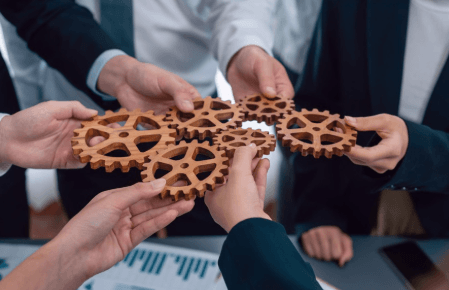
Improving business efficiency is essential for maximizing output, reducing costs, and sustaining long-term growth. Efficient operations allow businesses to use resources effectively, enhance productivity, and deliver better value to customers. Without efficient processes, companies risk wasting time, money, and effort while struggling to maintain competitiveness in the market.
Business efficiency is not limited to operational processes; it also involves strategic planning, workforce management, and compliance with legal requirements. Proper administrative procedures, such as filing the NNC1 Form, ensure that your company operates legally and maintains credibility with stakeholders, which supports smoother and more efficient operations.
This article explores strategies to improve business efficiency by optimizing processes, leveraging technology, managing resources effectively, and ensuring compliance.
Understanding Business Efficiency
Business efficiency refers to the ability to achieve desired outcomes with minimal wasted effort, time, and resources. Efficient businesses can produce more with less, reduce costs, and enhance overall performance.
Efficiency impacts:
- Productivity across teams and departments
- Customer satisfaction and service quality
- Cost management and profitability
- Agility in responding to market changes
Maintaining accurate records and compliance, including updates like the NNC1 Form, supports efficiency by reducing administrative obstacles and enabling informed decision-making.
Streamlining Processes
Streamlining workflows is a fundamental step in improving efficiency. Complex or redundant processes slow operations and increase the likelihood of errors.
To streamline processes:
- Map existing workflows to identify bottlenecks and inefficiencies
- Eliminate redundant steps that do not add value
- Standardize procedures to ensure consistency across teams
- Align corporate processes with compliance requirements, including the NNC1 Form
Simplifying processes allows teams to focus on high-priority tasks and reduces delays.
Leveraging Technology
Technology can greatly enhance efficiency by automating routine tasks, improving communication, and providing actionable insights.
Ways to leverage technology include:
- Implementing project management tools to track tasks and deadlines
- Using collaboration platforms for real-time communication and coordination
- Automating administrative and repetitive tasks
- Maintaining compliance records digitally, including the NNC1 Form
Adopting the right technology improves workflow, reduces human error, and allows employees to focus on strategic activities.
Optimizing Resource Management
Efficient allocation of resources—including time, labor, and materials—is crucial for business efficiency. Mismanagement of resources can lead to waste, delays, and higher costs.
To optimize resources:
- Schedule staff according to workload and priorities
- Monitor inventory and supply levels to prevent shortages or overstocking
- Allocate financial resources to high-impact projects
- Ensure administrative compliance, including accurate filing of the NNC1 Form, to avoid legal setbacks
Proper resource management enhances output while minimizing unnecessary costs.
Enhancing Employee Performance
Employee performance directly influences operational efficiency. Motivated and skilled employees complete tasks more effectively and contribute to organizational goals.
Ways to enhance performance include:
- Providing training and development opportunities
- Setting clear objectives and performance expectations
- Recognizing and rewarding achievements
- Encouraging collaboration and communication across departments
A motivated and competent workforce improves productivity and streamlines operations.
Improving Communication
Effective communication prevents misunderstandings, reduces errors, and ensures smooth collaboration. Clear communication is essential for aligning teams and maintaining efficiency.
To improve communication:
- Establish structured communication channels for updates and reporting
- Use collaboration tools for information sharing
- Clearly convey procedural updates, such as changes reflected in the NNC1 Form
- Encourage open dialogue and feedback among employees
Efficient communication ensures teams work cohesively and reduces wasted effort.
You Should Also Read : TechAiTech
Monitoring and Measuring Performance
Tracking performance allows businesses to identify inefficiencies and make data-driven improvements. Performance metrics provide insights into operations and help measure progress toward objectives.
Methods for monitoring performance include:
- Setting measurable key performance indicators (KPIs)
- Conducting regular audits and performance reviews
- Using analytics to detect inefficiencies and optimize processes
- Ensuring corporate compliance, including filing or updating the NNC1 Form, is up to date
Monitoring ensures continuous improvement and operational efficiency.
Fostering a Culture of Continuous Improvement
Efficiency is not a one-time effort; it requires ongoing refinement and innovation. Businesses that foster continuous improvement remain agile and competitive.
Strategies include:
- Encouraging employee suggestions for process improvements
- Benchmarking operations against industry standards
- Implementing innovative tools and technologies to streamline work
- Reviewing compliance procedures regularly, including corporate filings like the NNC1 Form
A culture of continuous improvement drives long-term efficiency and operational excellence.
Frequently Asked Questions
What is business efficiency?
Business efficiency is the ability to achieve desired results using minimal resources, time, and effort.
Why is improving efficiency important?
Improving efficiency reduces costs, increases productivity, enhances customer satisfaction, and strengthens competitiveness.
How does the NNC1 Form relate to efficiency?
The NNC1 Form ensures that a company is legally registered and compliant. Accurate records prevent administrative delays and support smooth operations.
How can technology improve efficiency?
Technology automates tasks, facilitates communication, monitors performance, and reduces errors, saving time and resources.
How do employees impact efficiency?
Skilled, motivated, and engaged employees perform tasks faster and more accurately, directly improving overall productivity.
How can I sustain efficiency improvements?
By monitoring performance, streamlining processes, leveraging technology, optimizing resources, and fostering a culture of continuous improvement.
Conclusion
Improving business efficiency requires a holistic approach that includes streamlining workflows, leveraging technology, optimizing resources, enhancing employee performance, and maintaining clear communication. Continuous monitoring and fostering a culture of improvement ensure long-term operational excellence.
Maintaining compliance and accurate corporate records, including filing the NNC1 Form, strengthens credibility and reduces operational risk. By applying these strategies, businesses can achieve higher productivity, reduce costs, and sustain long-term growth and success.