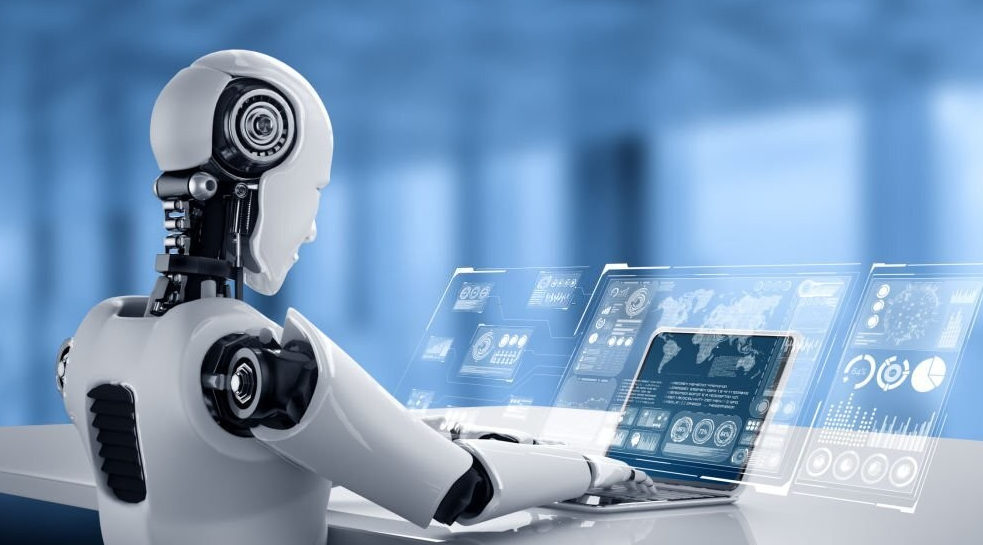
Machine learning has evolved from an emerging technology into a critical business necessity across the global economy. Organizations in nearly every sector are now using intelligent systems to automate operations, analyze data, improve decision-making, and deliver better customer experiences. Companies adopting advanced solutions like Droven.io Machine Learning technologies are gaining significant advantages in efficiency, innovation, and long-term growth.
As industries continue generating massive amounts of data, traditional systems are struggling to keep up with increasing complexity and speed requirements. Machine learning offers a smarter approach by enabling systems to learn from data, recognize patterns, and continuously improve performance without constant manual programming.
From healthcare and finance to retail and manufacturing, machine learning is rapidly becoming essential for modern success in a data-driven world.
Understanding Machine Learning
Machine learning is a branch of artificial intelligence that allows computers to learn from experience and improve performance over time.
Traditional software systems rely on fixed instructions created by developers. Machine learning systems, however, analyze data patterns and adapt based on new information.
This learning capability allows intelligent systems to:
- Make predictions
- Detect patterns
- Automate decisions
- Improve accuracy
- Handle complex tasks
- Process large datasets efficiently
Machine learning technologies are becoming increasingly important because modern businesses operate in environments filled with constant change, massive data flows, and growing customer expectations.
Organizations that can process and understand data effectively are more likely to succeed in competitive markets.
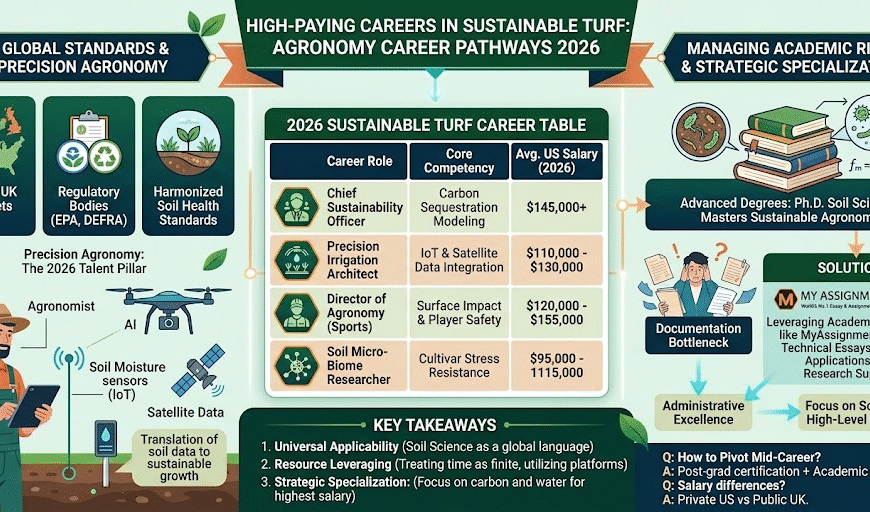
See also: The Agronomy Career Pivot: Navigating High-Paying Roles in Sustainable Turf
The Rise of the Data Economy
The world is generating more data than ever before. Every digital interaction creates valuable information that businesses can use to improve operations and understand customer behavior.
Data is produced through:
- Mobile applications
- Social media platforms
- Online shopping
- Smart devices
- Financial transactions
- Healthcare systems
- Cloud computing
- Industrial sensors
Managing this enormous volume of information manually is nearly impossible.
Machine learning helps organizations analyze complex datasets quickly and uncover valuable insights that would otherwise remain hidden.
This ability to transform raw data into actionable intelligence is one of the main reasons machine learning is becoming essential across industries.
Machine Learning in Healthcare
Healthcare is one of the industries experiencing the biggest transformation through machine learning technologies.
Medical organizations use machine learning for:
- Disease prediction
- Medical imaging analysis
- Drug discovery
- Patient monitoring
- Personalized treatment plans
- Healthcare data management
Machine learning algorithms can analyze medical scans with impressive accuracy, helping doctors identify diseases earlier and more effectively.
Wearable devices powered by machine learning monitor heart rate, physical activity, and sleep patterns in real time.
Healthcare providers are also using predictive analytics to improve patient outcomes and reduce operational costs.
As healthcare data continues expanding, machine learning will become even more important for improving medical research and patient care.
Financial Services Depend on Machine Learning
The financial industry relies heavily on machine learning to manage risk, detect fraud, and improve operational efficiency.
Machine learning applications in finance include:
- Fraud detection
- Credit scoring
- Risk assessment
- Investment analysis
- Algorithmic trading
- Customer service automation
Financial institutions process millions of transactions daily, making real-time analysis essential.
Machine learning systems can instantly identify suspicious patterns and prevent fraudulent activities more effectively than traditional rule-based systems.
Banks and investment firms also use predictive models to improve decision-making and forecast market trends.
The speed and accuracy provided by machine learning are becoming critical advantages in modern financial services.
Retail and E-Commerce Transformation
Retail businesses are using machine learning to improve customer experiences and optimize operations.
Machine learning powers:
- Product recommendations
- Personalized marketing
- Inventory forecasting
- Dynamic pricing
- Customer analytics
- Supply chain optimization
Online retailers analyze browsing behavior and purchasing patterns to recommend products tailored to individual customers.
Predictive analytics also helps retailers forecast demand and avoid inventory shortages during peak shopping seasons.
Personalization driven by machine learning increases customer engagement, improves conversion rates, and strengthens brand loyalty.
As consumer expectations continue rising, machine learning is becoming essential for delivering competitive retail experiences.
Manufacturing and Smart Automation
Manufacturing industries are rapidly adopting machine learning to improve efficiency and reduce operational costs.
Machine learning applications in manufacturing include:
- Predictive maintenance
- Quality control
- Production optimization
- Supply chain management
- Industrial robotics
- Energy efficiency monitoring
Sensors installed on industrial equipment collect real-time data that machine learning systems analyze to predict potential failures before breakdowns occur.
This predictive maintenance approach reduces downtime and improves productivity.
Machine learning-powered automation also allows manufacturers to streamline operations and maintain consistent product quality.
Smart factories driven by intelligent technologies are becoming the future of industrial production.
Cybersecurity and Threat Detection
Cybersecurity threats are increasing globally as businesses become more digitally connected.
Machine learning is becoming essential for cybersecurity because modern threats evolve too quickly for traditional security systems alone.
Machine learning cybersecurity systems can:
- Detect unusual behavior
- Identify malware
- Monitor network traffic
- Prevent fraud
- Analyze attack patterns
- Respond to threats automatically
Unlike static rule-based systems, machine learning algorithms continuously learn from new cyber threats and adapt their defense strategies accordingly.
Businesses and governments now rely heavily on machine learning to protect sensitive data and maintain digital security.
Transportation and Logistics Innovation
Transportation and logistics companies are using machine learning to improve efficiency, reduce costs, and enhance customer experiences.
Machine learning applications include:
- Route optimization
- Traffic prediction
- Fleet management
- Autonomous vehicle development
- Delivery forecasting
- Fuel efficiency analysis
Navigation systems use machine learning to analyze traffic conditions and provide real-time route recommendations.
Logistics companies optimize shipping schedules and warehouse operations using predictive analytics.
Autonomous vehicle technologies also depend heavily on machine learning for navigation, object detection, and decision-making.
As global transportation systems become smarter, machine learning will continue playing a central role.
Personalized Customer Experiences
Modern consumers expect highly personalized digital experiences, and machine learning makes this possible.
Businesses use machine learning to analyze customer behavior and deliver customized experiences across websites, apps, and digital services.
Applications include:
- Content recommendations
- Personalized advertising
- Customer support chatbots
- Smart virtual assistants
- Email marketing optimization
Streaming platforms, online stores, and social media networks all rely heavily on machine learning algorithms to personalize user experiences.
Personalization improves customer satisfaction while increasing engagement and sales performance.
The future of digital experiences will become even more individualized as machine learning systems gain deeper contextual understanding.
Real-Time Decision-Making
Modern industries operate in fast-moving environments where rapid decision-making is essential.
Machine learning allows organizations to process data in real time and respond instantly to changing conditions.
Real-time analytics helps businesses:
- Detect operational issues quickly
- Monitor performance continuously
- Respond to customer needs faster
- Improve efficiency
- Reduce risks
Companies that rely on slower traditional analysis methods may struggle to compete against organizations using machine learning-driven intelligence.
The ability to make accurate decisions rapidly is becoming one of the most valuable competitive advantages in the digital economy.
Human Resources and Workforce Management
Human resources departments are also adopting machine learning technologies to improve recruitment and workforce management.
Machine learning helps organizations:
- Screen job candidates
- Predict employee turnover
- Analyze workforce performance
- Improve scheduling
- Enhance employee engagement
Recruitment platforms powered by machine learning can identify qualified candidates faster while reducing manual workload.
Employee analytics also helps businesses improve productivity and workplace satisfaction.
As businesses continue modernizing operations, machine learning will become increasingly important for workforce optimization.
Ethical and Social Challenges
Although machine learning offers major advantages, it also presents important ethical and social challenges.
Some key concerns include:
- Data privacy
- Algorithm bias
- Job displacement
- Lack of transparency
- Security risks
- Responsible AI development
Machine learning systems are only as reliable as the data used to train them. Poor-quality or biased datasets can produce unfair results.
Organizations must prioritize ethical AI practices to ensure fairness, transparency, and accountability.
Responsible implementation will play a major role in the long-term success of machine learning technologies.
The Future of Machine Learning Across Industries
Machine learning will continue expanding into nearly every industry in the coming years.
Future developments may include:
- Smarter autonomous systems
- Advanced robotics
- Hyper-personalized digital services
- AI-powered business operations
- Intelligent healthcare diagnostics
- Real-time predictive analytics
As computing power increases and algorithms become more advanced, machine learning technologies will become even more accessible and powerful.
Businesses that embrace machine learning today are positioning themselves for future growth and innovation.
Organizations that fail to adapt may struggle to remain competitive in an increasingly intelligent and automated world.
Conclusion
Machine learning is becoming essential for every industry because it enables organizations to process data more efficiently, automate complex tasks, improve decision-making, and deliver better customer experiences.
From healthcare and finance to retail and manufacturing, intelligent systems are transforming operations and creating new opportunities for innovation.
As the digital economy continues evolving, machine learning will remain one of the most important technologies driving future growth, efficiency, and competitive advantage. Businesses that successfully adopt machine learning strategies will be better prepared to thrive in a rapidly changing technological landscape.